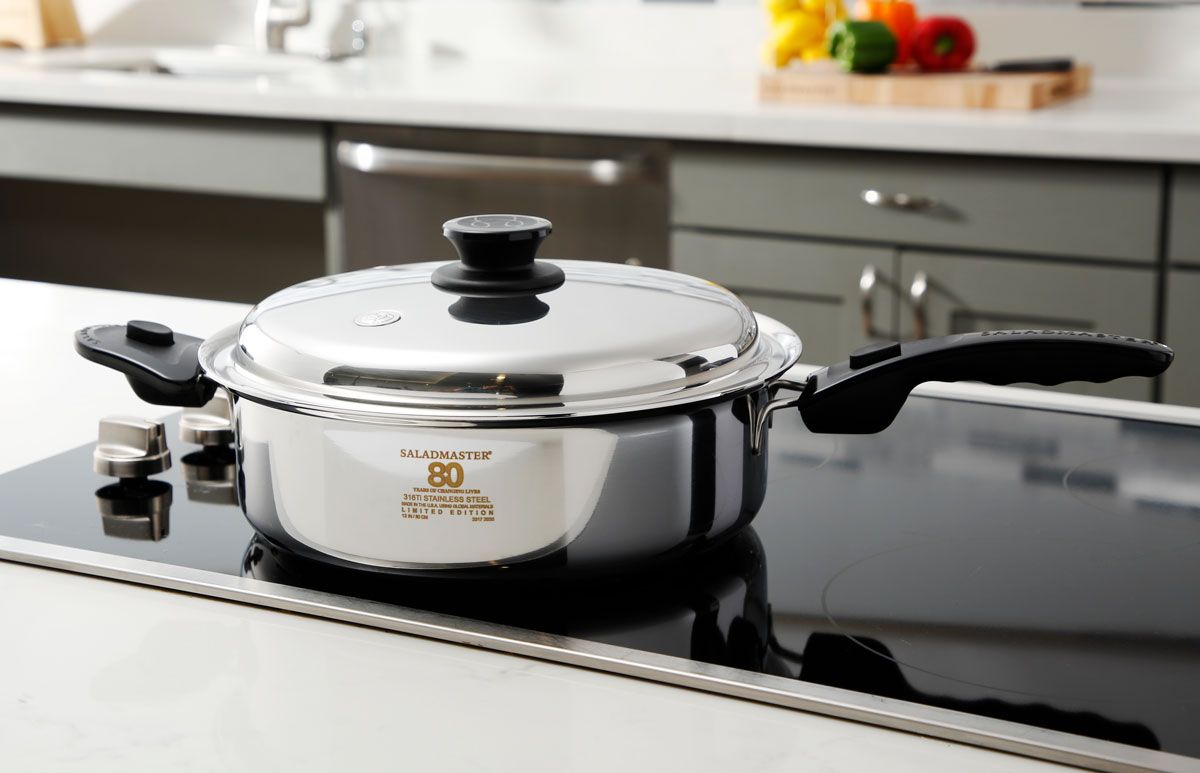
Is Stainless Steel Cookware Safe? A Family Guide to Healthier Cooking
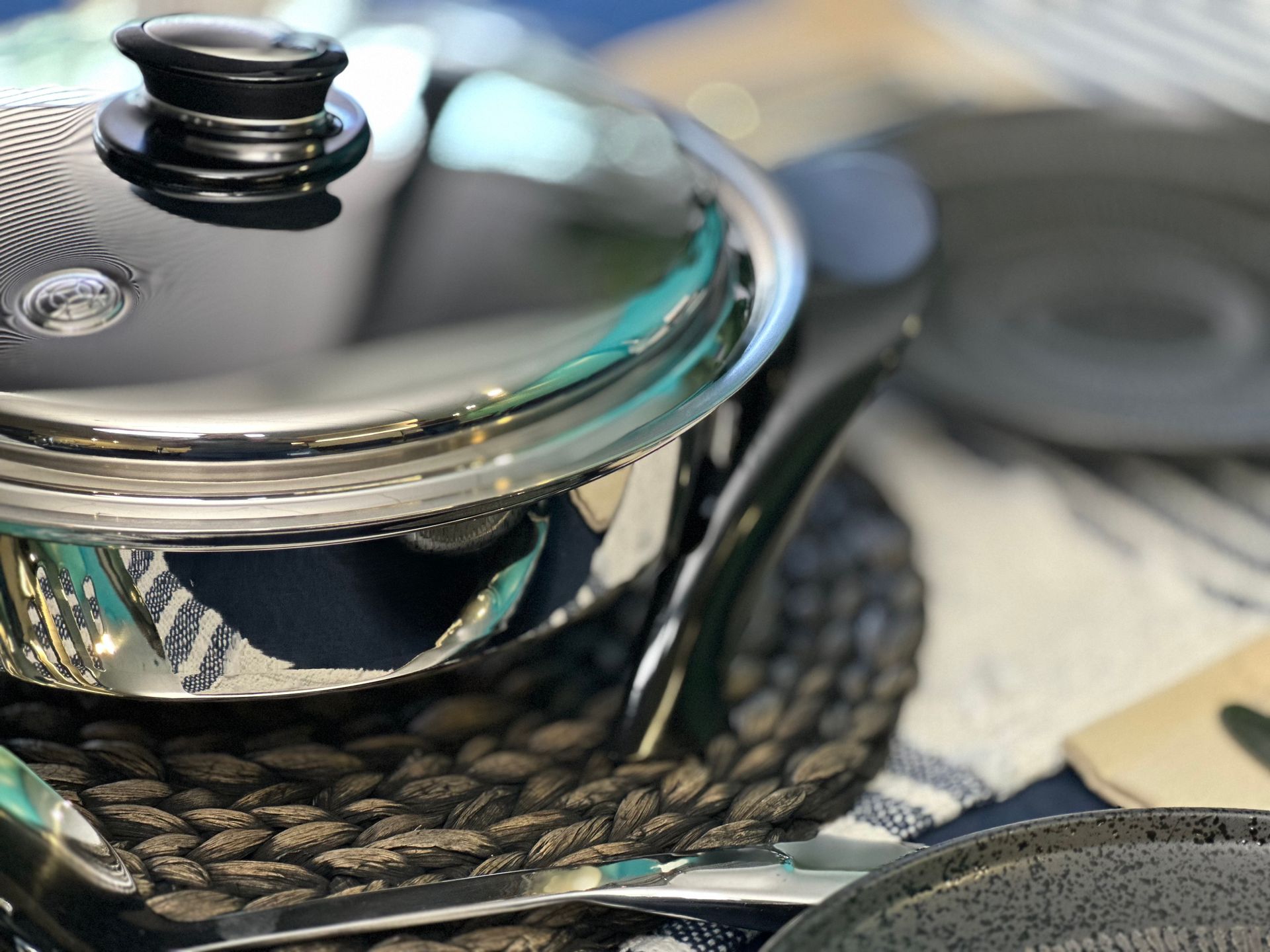
If you've been paying attention to conversations about healthy living, you've probably noticed that cookware has become a hot topic. More and more families are asking questions about what they're cooking with, not just what they're cooking.
One question comes up repeatedly: Is stainless steel cookware safe?
It's a fair question. With concerns about scratched non-stick coatings, chemicals in cookware, and the growing popularity of "non-toxic" kitchen products, many Australians are looking for cookware they can feel confident using every day.
The good news is that high-quality stainless steel cookware has earned a reputation as one of the safest and most durable cookware options available. It's trusted by professional chefs, used in commercial kitchens around the world, and increasingly becoming the cookware of choice for health-conscious families.
But there are still plenty of misconceptions and questions surrounding stainless steel. What exactly is 18/10 stainless steel cookware? Is tri ply cookware better than 3 ply? Does stainless steel leach metals into food? And is it really healthier than non-stick cookware?
Let's take a closer look.
Why So Many Families Are Choosing Stainless Steel
For decades, non-stick cookware dominated home kitchens because it seemed convenient. Food released easily, cleanup was simple, and cooking required less oil.
Over time, however, many consumers began asking deeper questions about what happens when non-stick surfaces become scratched, overheated, or worn out. As awareness around cookware materials grew, so did interest in alternatives.
That's one reason stainless steel cookware has seen renewed popularity. Unlike coated cookware, stainless steel doesn't rely on a synthetic cooking surface that eventually wears away. Instead, the cooking surface is the steel itself, making it incredibly durable and resistant to damage.
For families trying to simplify their kitchens and invest in products that last, stainless steel offers an appealing combination of longevity, versatility, and peace of mind.
So, Is Stainless Steel Cookware Safe?
In short, yes.
High-quality stainless steel cookware is widely considered safe for everyday cooking. It is non-reactive, meaning it doesn't easily interact with most foods during the cooking process. It also stands up exceptionally well to high temperatures, making it suitable for everything from sautéing vegetables to searing meats.
One of the reasons stainless steel is so trusted is that it has been used extensively in food preparation environments for decades. Restaurants, hospitals, commercial kitchens, and food manufacturers all rely heavily on stainless steel because of its durability and stability.
Of course, not all cookware is made equally, which is why it's worth understanding the different grades and construction methods available.
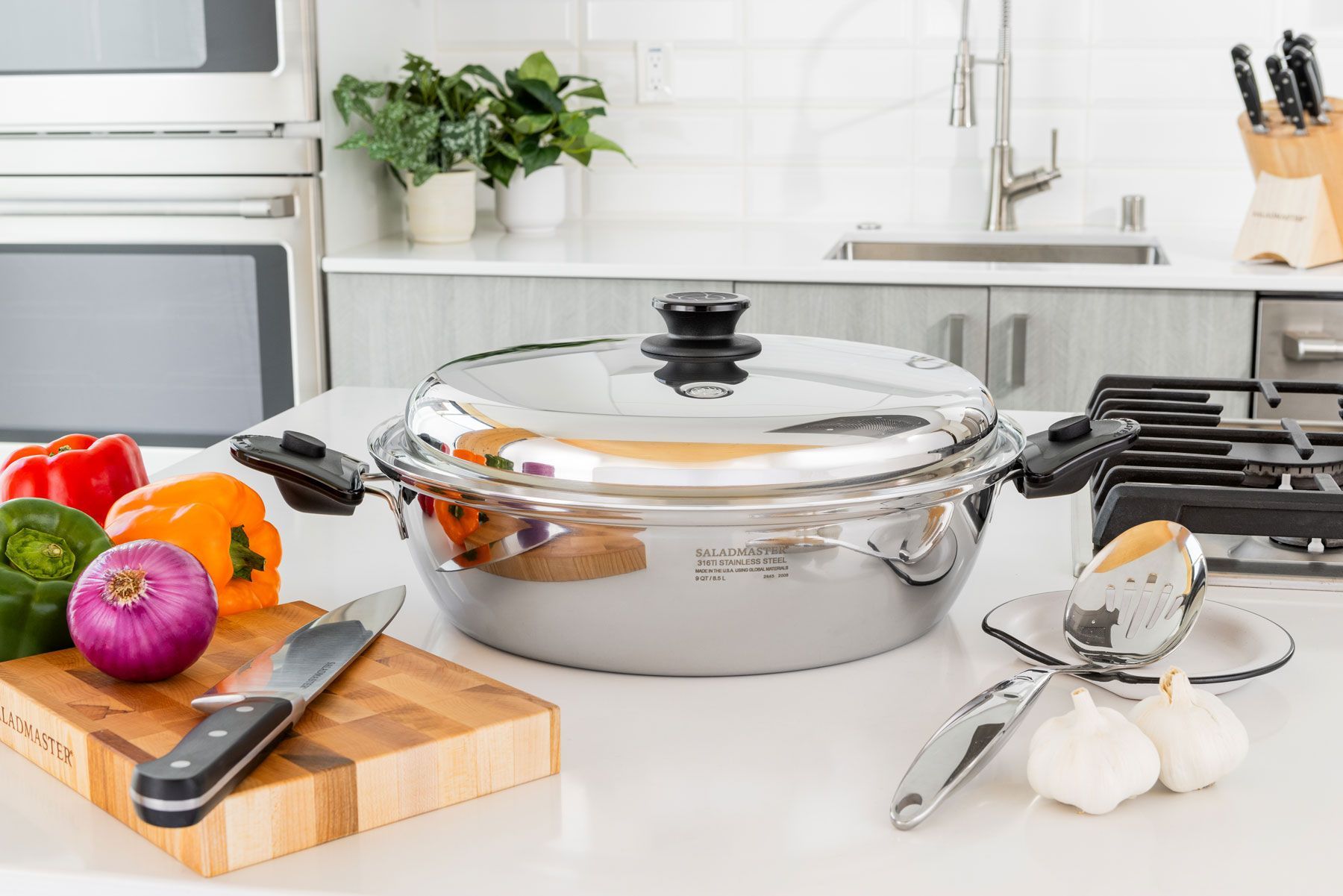
Understanding 18/10 Stainless Steel Cookware
When shopping for stainless steel cookware in Australia, you'll often see the term 18/10 stainless steel cookware.
The numbers refer to the composition of the steel. The "18" represents 18% chromium, while the "10" represents 10% nickel.
Chromium plays an important role in helping the cookware resist rust and corrosion. Nickel contributes to durability and gives stainless steel its bright, polished appearance.
For consumers, what matters most is that 18/10 stainless steel is generally regarded as a premium grade. It tends to resist staining, maintain its appearance longer, and provide excellent durability over many years of cooking.
If you're comparing cookware options, 18/10 stainless steel cookware is often considered the benchmark for quality.
Does Stainless Steel Leach Into Food?
This is one of the most common questions people ask when researching non-toxic cookware.
Technically, trace amounts of nickel and chromium can transfer into food during cooking. However, studies have shown that the amounts are typically very small, particularly when cooking with high-quality stainless steel cookware.
For the overwhelming majority of people, these trace amounts are considered insignificant and do not present a health concern.
Those with a medically diagnosed nickel sensitivity may wish to investigate further or speak with a healthcare professional. For most families, however, stainless steel remains one of the safest cookware materials available.
What's the Difference Between Tri Ply, 3 Ply, and 5 Ply Stainless Steel Cookware?
If you've ever shopped for premium cookware, you've probably encountered terms like tri ply stainless steel cookware, 3 ply stainless steel cookware, and 5 ply stainless steel cookware.
These terms refer to the layers used in the cookware's construction.
Stainless steel alone isn't the best conductor of heat. That's why manufacturers often bond layers of stainless steel with highly conductive metals such as aluminium.
Tri ply stainless steel cookware typically consists of an inner stainless steel layer, an aluminium core, and an outer stainless steel layer. This design helps distribute heat more evenly across the cooking surface, reducing hot spots and improving cooking performance.
In practical terms, tri ply and 3 ply stainless steel cookware are essentially the same thing.
Five-ply cookware adds additional layers intended to improve heat retention and stability. While some professional chefs appreciate the performance differences, many home cooks find that a quality tri ply stainless steel cookware set delivers everything they need for everyday cooking.
The reality is that construction quality matters more than the number of layers alone.
Is Stainless Steel Better Than Non-Stick Cookware?
The answer depends on your priorities.
If convenience is your primary concern, non-stick cookware certainly has advantages. It can make delicate foods like eggs easier to cook and often requires less attention during cleanup.
However, stainless steel excels in several areas where non-stick cookware struggles.
It handles higher temperatures, develops superior browning and flavour, lasts significantly longer, and doesn't depend on a coating that can wear down over time.
Many people who switch to stainless steel discover that once they learn a few basic cooking techniques, they rarely miss their old non-stick pans.
For those focused on durability, versatility, and reducing reliance on coated cookware, stainless steel often becomes the preferred choice.
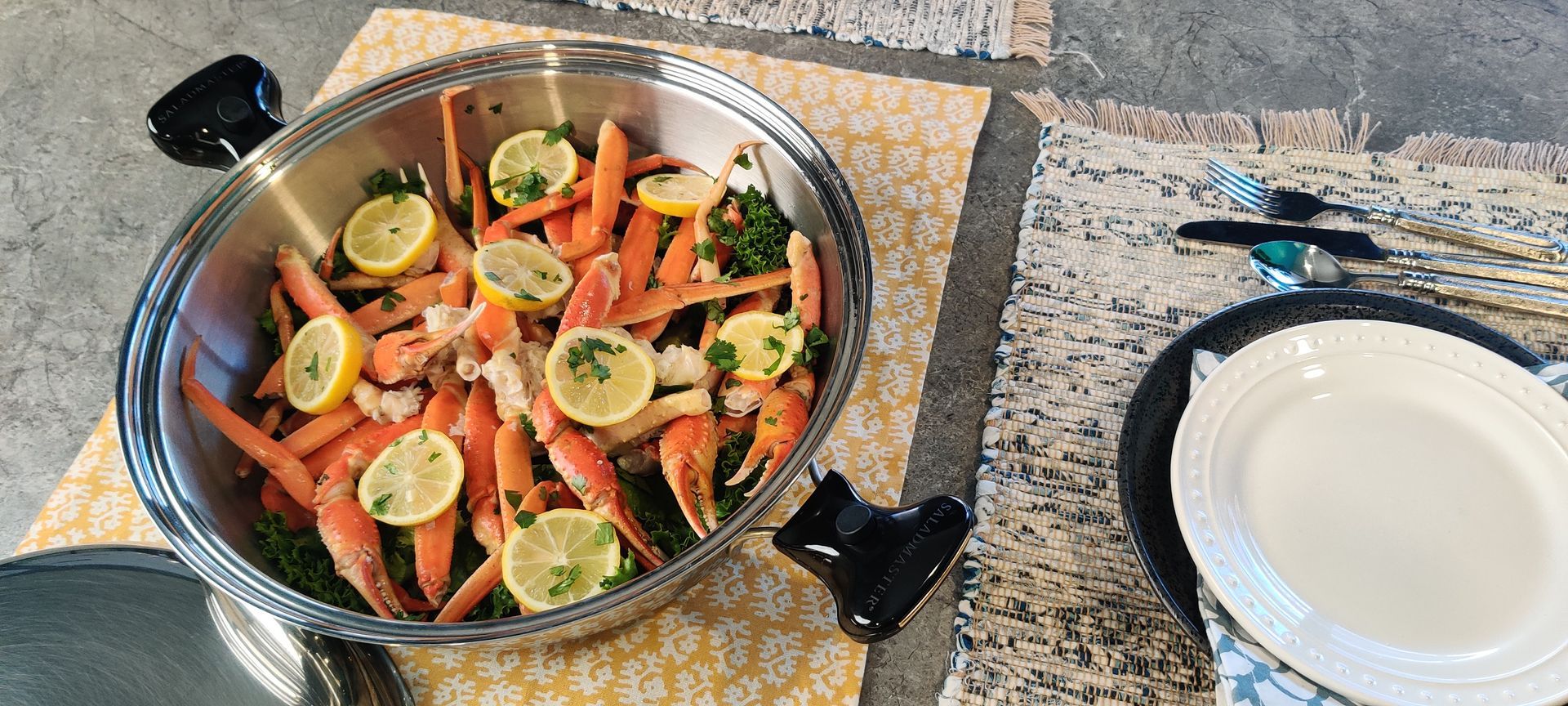
Why Professional Chefs Prefer Stainless Steel
Walk into almost any professional kitchen and you'll notice something interesting.
Most chefs cook with stainless steel.
The reason isn't simply tradition. Professional cooks value stainless steel because it performs consistently under demanding conditions. It tolerates high heat, transitions easily from stovetop to oven, and stands up to years of heavy use.
Chefs also appreciate the control stainless steel provides. Whether they're creating a perfect sear on a steak or building flavour through caramelization, stainless steel allows them to cook with precision.
For home cooks, that's a reassuring endorsement.
What Should You Look for When Buying Stainless Steel Cookware in Australia?
If you're shopping for stainless steel cookware Australia, it's worth focusing on quality rather than simply price.
Look for cookware made from 18/10 stainless steel and, ideally, tri ply or 3 ply construction. A well-constructed pan should feel solid and balanced in your hand, with sturdy handles and a substantial base.
Many people are tempted by inexpensive cookware sets, but cookware is one of those purchases where quality pays dividends over time. A premium stainless steel cookware set can easily last decades when properly cared for.
Viewed through that lens, it's often one of the most cost-effective investments you can make in your kitchen.

The Bottom Line
So, is stainless steel cookware safe?
For most families, the answer is a resounding yes.
High-quality stainless steel cookware offers durability, versatility, excellent cooking performance, and a cooking surface that doesn't rely on synthetic coatings. Whether you're considering 18/10 stainless steel cookware, tri ply stainless steel cookware, or even 5 ply stainless steel cookware, you're investing in cookware designed to serve your family for many years.
While no cookware material is perfect for every situation, stainless steel continues to be one of the most trusted and widely recommended options available for healthy home cooking.
See Healthier Cooking in Action
Reading about healthy cooking is one thing. Seeing it in action is another.
If you're curious about how stainless steel cookware can help you prepare delicious meals with less oil, better heat control, and simple everyday techniques, we'd love to show you.
Join one of our free online cooking experiences and discover how healthier cooking can fit naturally into your lifestyle. You'll see practical demonstrations, learn useful cooking tips, and experience firsthand why so many families are making the switch to quality stainless steel cookware.
Ready to see how healthier cooking works in real life? Book your free online cooking experience today.
Recent Posts